
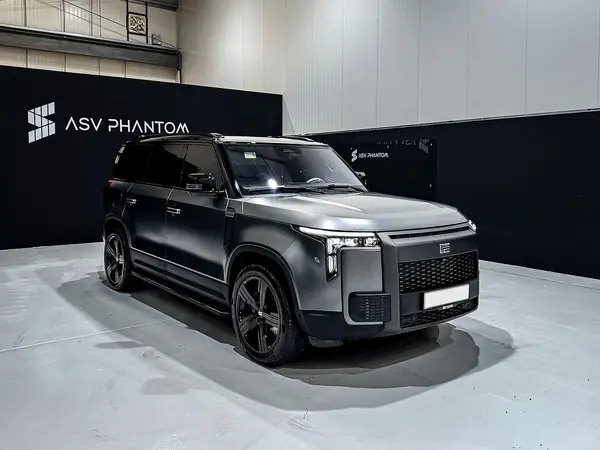
Paint Protection Film
Self-healing STEK film for stone chips, sand and daily road wear.
- Gloss, matte and specialist finishes
- Front-end, high-impact or full-body coverage
- Collection and return available for eligible PPF bookings
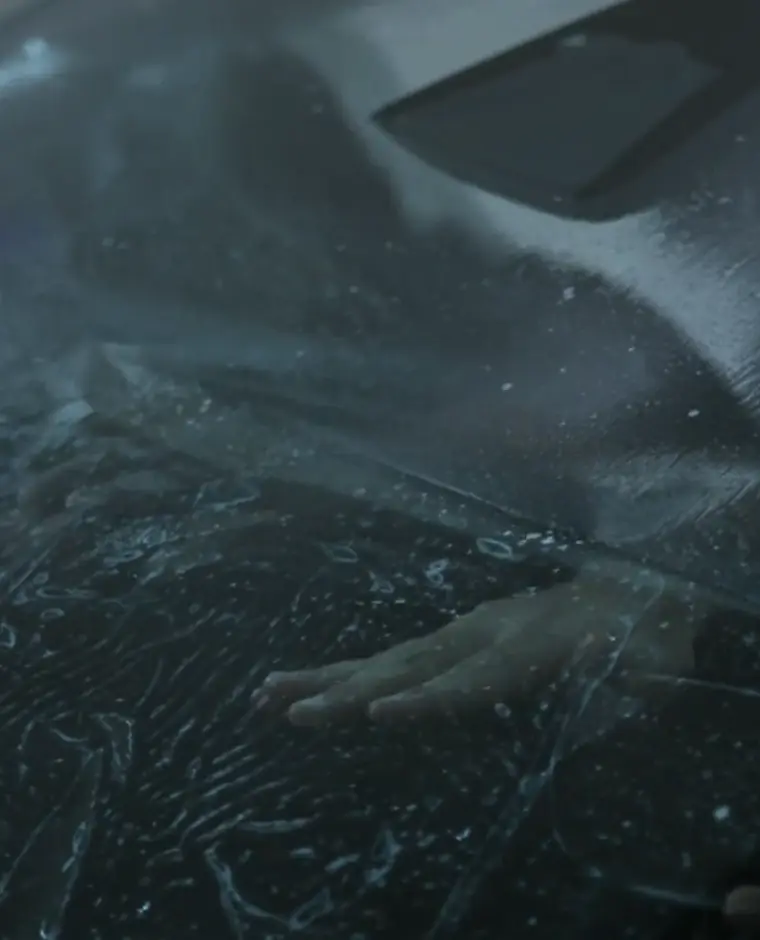
ASV Phantom protects paintwork, glass and cabin comfort with clear advice, careful installation and a vehicle-first quote process.
PPF helps reduce visible road wear, tinting improves cabin comfort, and coating supports gloss and easier maintenance once the finish is ready.
Compare servicesSelf-healing STEK film for stone chips, sand and daily road wear.
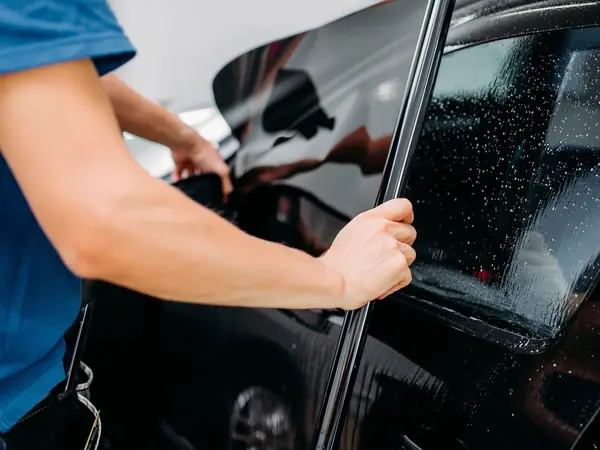
Automotive film for heat rejection, glare control, UV protection and privacy.
Send the vehicle details and preferred timing so the workshop can confirm the best next step.
See recent PPF, coating, preparation and finish references from the ASV Phantom studio.
For eligible PPF bookings, ASV Phantom can collect the car, install the film and return it.
Sports cars, luxury SUVs, daily drivers, motorcycles, marine craft and bicycles.
PPF is planned around film choice, panel coverage and clean hand application.
Unsure what fits? Send photos and usage details before committing to a booking.
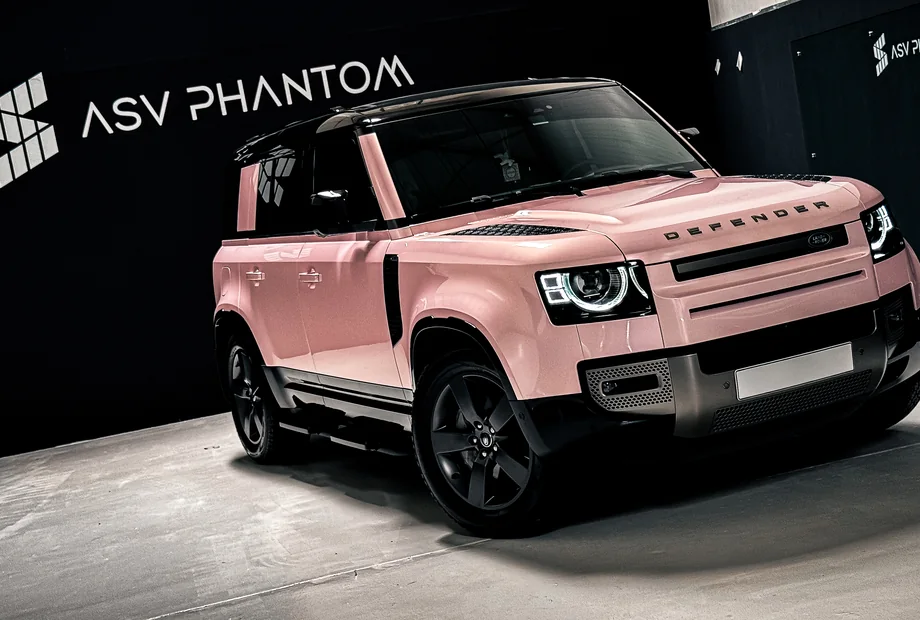
Self-healing film for panels exposed to stone chips, sand and daily road wear. Choose front-end, high-impact or full-body coverage depending on the car and how it is used.
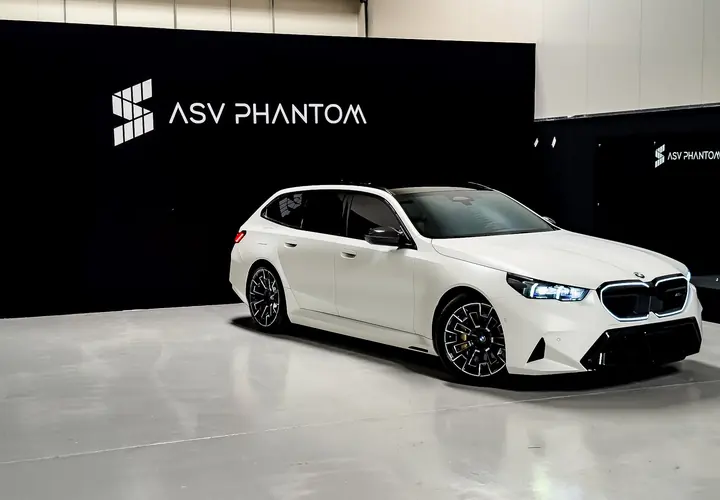
For owners who want a visible finish change and a protective film layer in one planned job. ASV checks the car, finish expectation and panel condition before confirming the film plan.
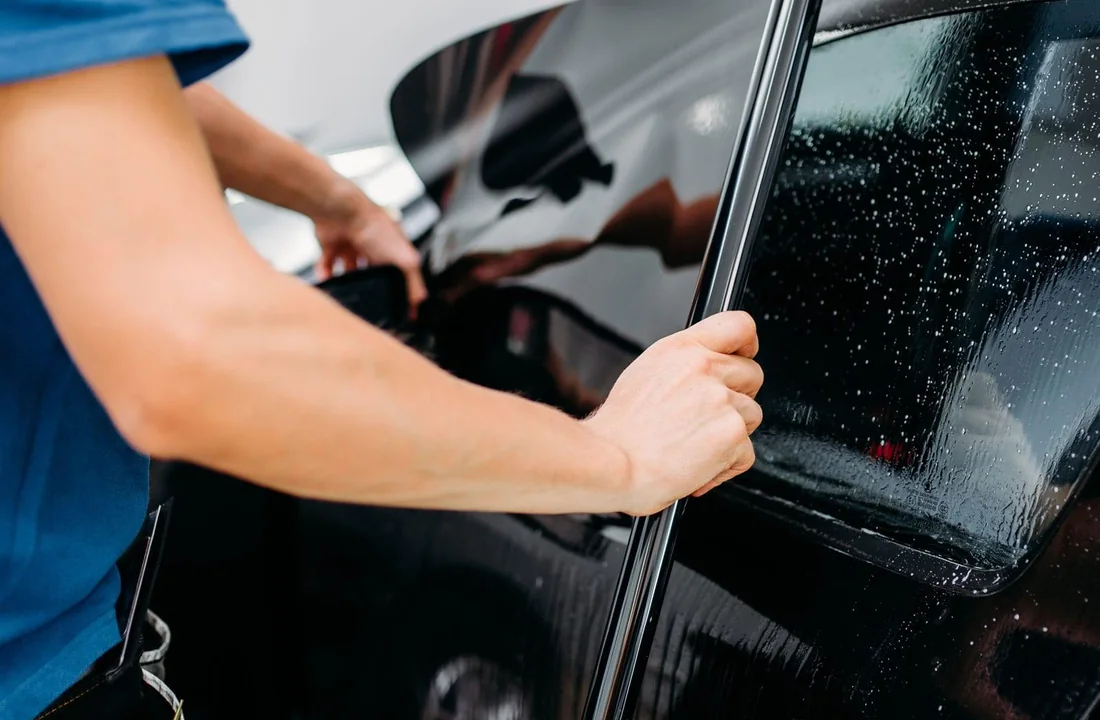
ASV Phantom helps choose the right film and shade for heat rejection, privacy, interior comfort and how the vehicle should look when it leaves the studio.
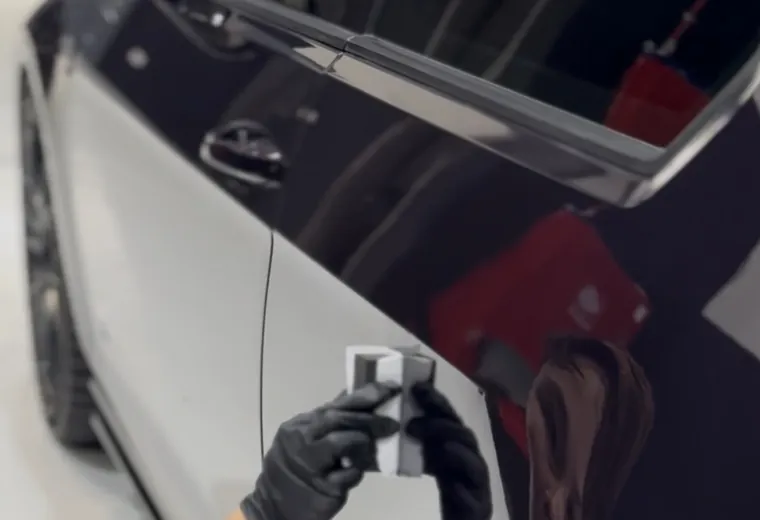
Ceramic coating improves gloss, water beading and wash maintenance for exposed paintwork, wheels and surfaces that are not covered by film.
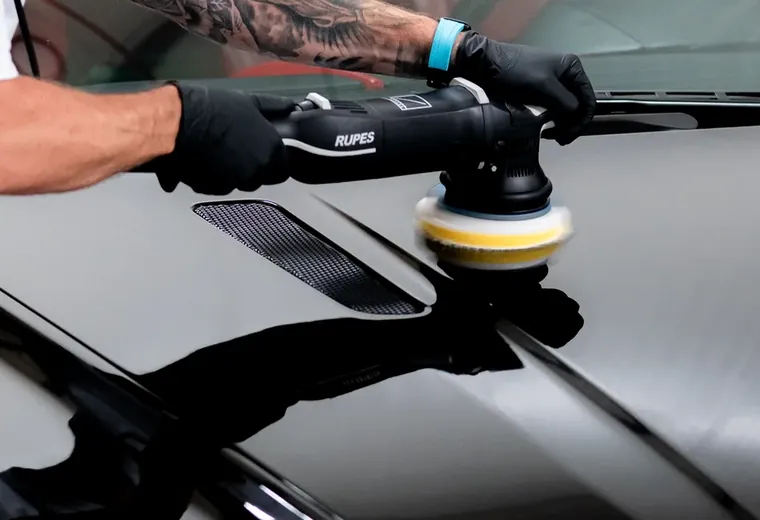
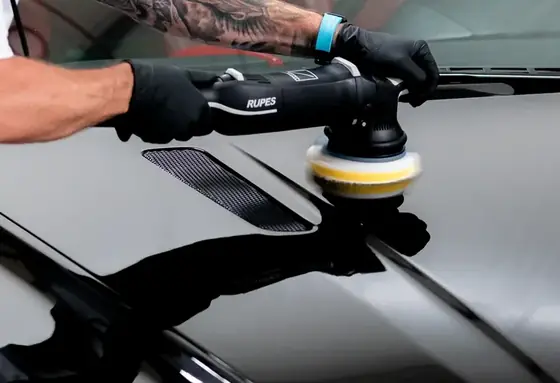
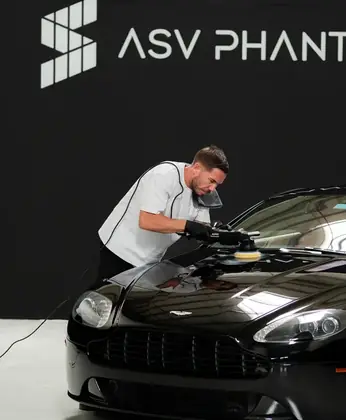
Paintwork is inspected, decontaminated and prepared before protection is applied. The aim is a cleaner surface, clearer expectations and a better final finish.
For higher-value cars, ASV Phantom can combine PPF, tinting, coating and detailing in one planned studio visit.
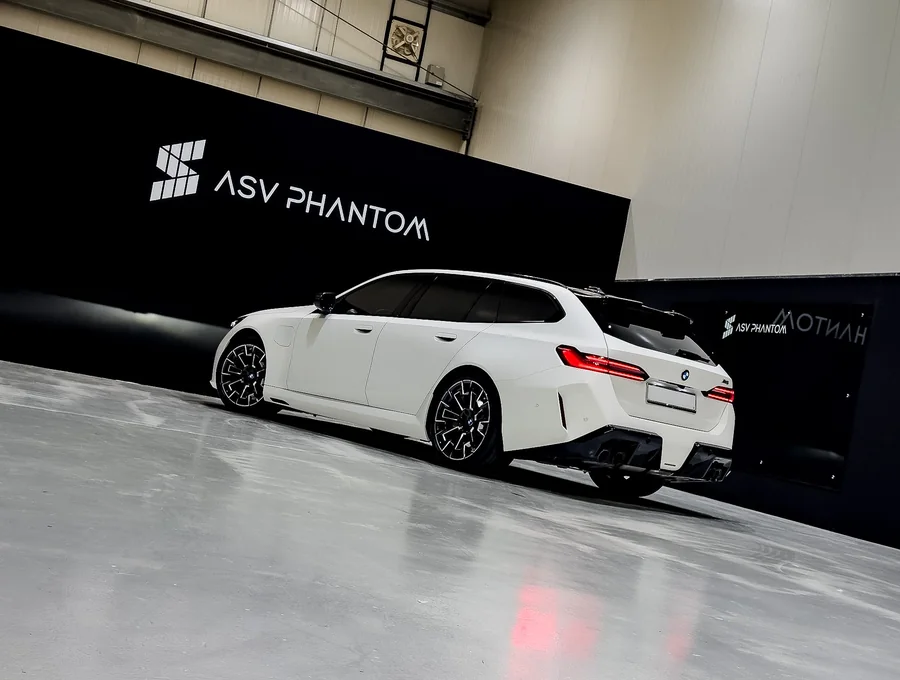
ASV can reply faster when the first message covers the car, exposed paint, glass comfort, finish condition and timing.
Stone chips, sand, door cups, gloss trim and high-contact panels point toward PPF coverage.
Heat build-up, glare, privacy and visibility decide the right tint product and shade.
Wash marks, contamination, previous repairs or old film can change the preparation needed first.
Timing, location and the size of the job help ASV confirm the most practical studio slot.
Recent feedback from ASV Phantom customers who booked protection, tinting, coating or preparation work.
The advice was clear from the first message. ASV explained the coverage clearly and the car was handed back looking clean and well finished.
The tint made the cabin noticeably more comfortable without making the car look too dark. Booking and updates were easy through WhatsApp.
I wanted protection without changing the look of the paint. The edges and finish were very clean, especially around the front end.
They recommended the right amount of coverage instead of pushing unnecessary work. That made the whole process feel straightforward.
The ceramic finish had the depth I wanted and they explained exactly how to wash it afterwards. The handover was detailed.
The studio took time to inspect the car before confirming the plan. That gave me confidence before approving the work.
The advice was clear from the first message. ASV explained the coverage clearly and the car was handed back looking clean and well finished.
The tint made the cabin noticeably more comfortable without making the car look too dark. Booking and updates were easy through WhatsApp.
I wanted protection without changing the look of the paint. The edges and finish were very clean, especially around the front end.
They recommended the right amount of coverage instead of pushing unnecessary work. That made the whole process feel straightforward.
The ceramic finish had the depth I wanted and they explained exactly how to wash it afterwards. The handover was detailed.
The studio took time to inspect the car before confirming the plan. That gave me confidence before approving the work.
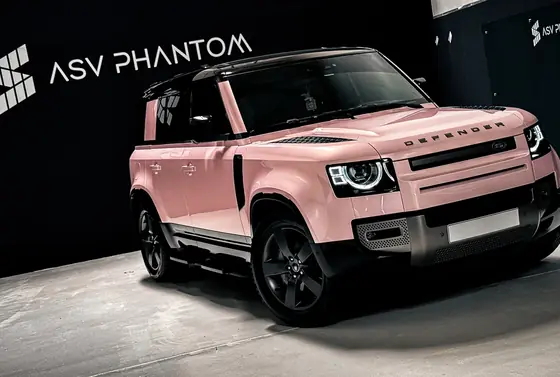
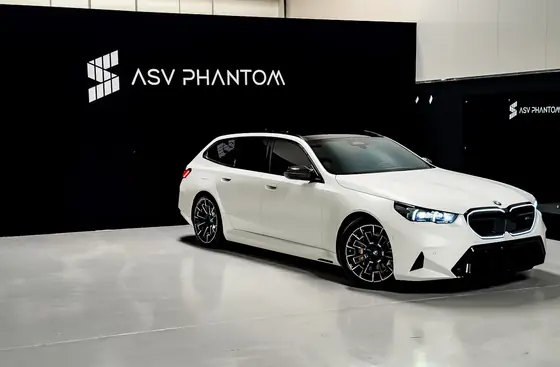
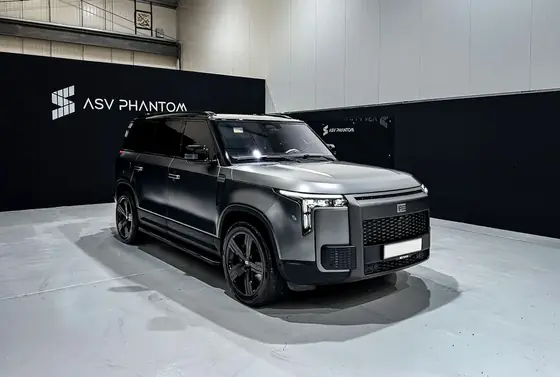
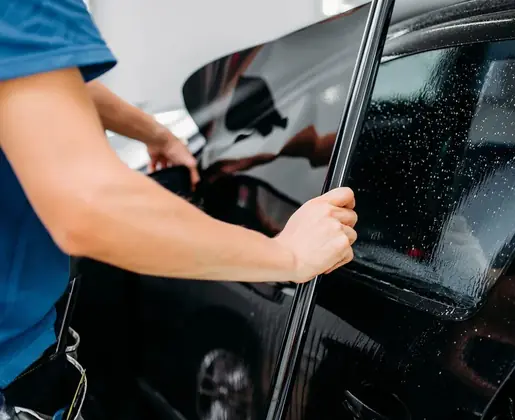
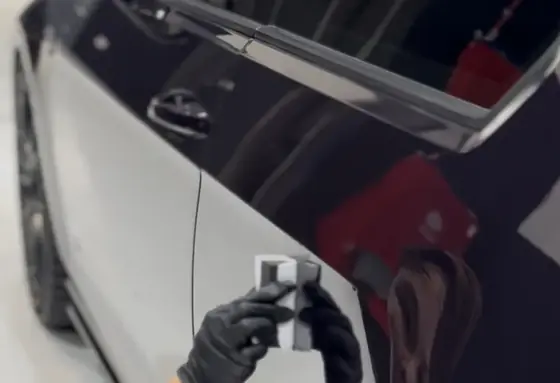
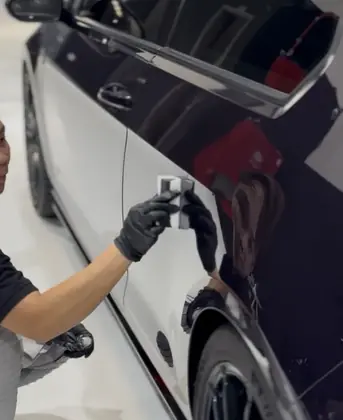
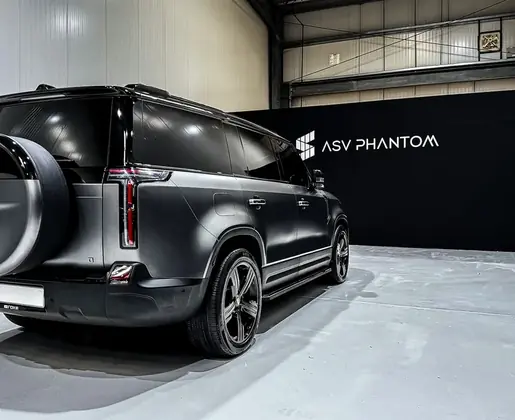
PPF, tinting and coating are not interchangeable. This is the simple difference before ASV quotes the work.
Stone chips, sand abrasion, door cups, gloss trim and high-contact panels.
Plan coverage by the panels most exposed to wear before choosing front-end, high-impact or full-body work.TintingCabin comfort and privacyHeat build-up, glare, UV protection, privacy and the way the glass looks from outside.
Choose shade and product around visibility and the car shape, not darkness alone.CoatingGloss and easier maintenanceWater behaviour, wash response and finish depth after paint is prepared correctly.
Use coating as a maintenance layer, not as a substitute for impact-resistant film.For eligible Paint Protection Film bookings, ASV Phantom can collect the vehicle, complete the installation at the Dubai studio and return the car after final checks. Availability depends on timing, location and the agreed PPF scope.
Vehicle collection is agreed during booking.
PPF is installed at the ASV Phantom studio.
The car is returned after final checks and care advice.
Send the vehicle make/model, current condition and ideal timing. Photos can follow by WhatsApp if they help confirm the quote.
ASV Phantom checks exposed panels, glass, trim and finish condition before suggesting PPF, tinting, coating or detailing preparation.
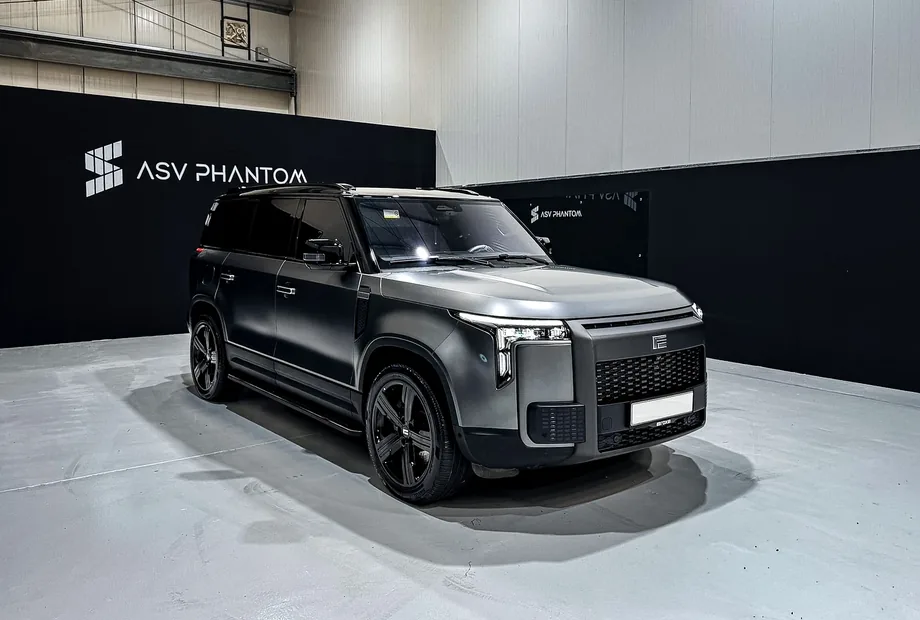
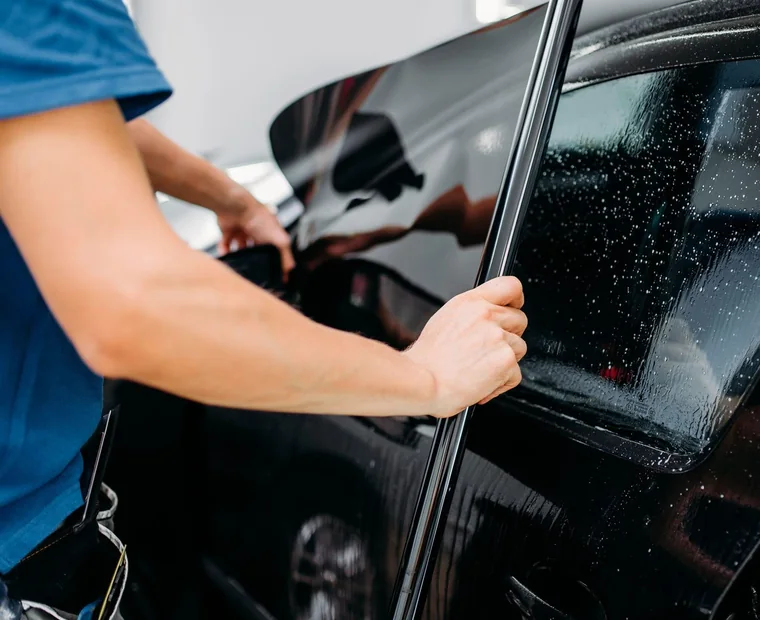
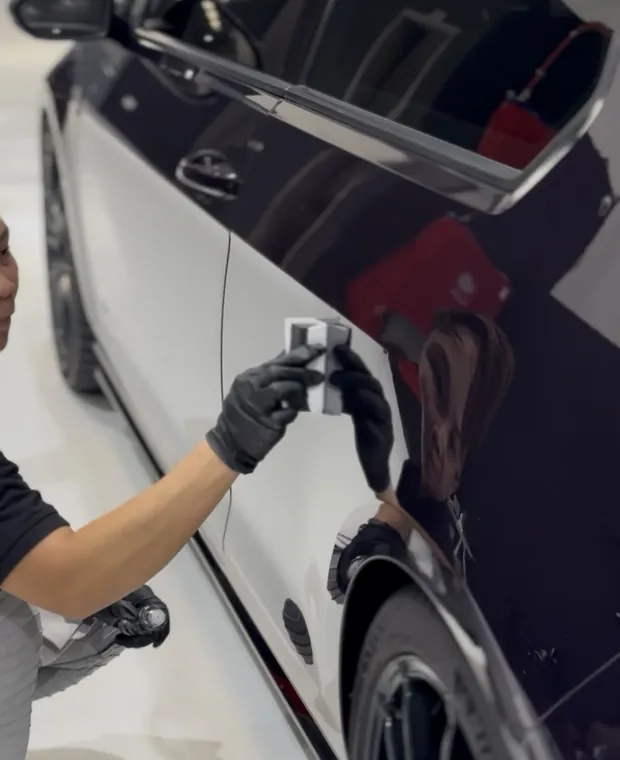
Daily commuter, new delivery, SUV, sports car or high-value repaint all change what should be protected first.
Front impact zones, glass, gloss trim, door contact and wash sensitivity are reviewed separately.
ASV can then recommend PPF, tint, coating, detailing prep or a combined visit without forcing a package.
The process is simple: send the details, confirm the right work, book the slot and collect the car with aftercare explained.
Share the make, model, preferred service, timing and clear photos of paint or glass if they help.
ASV confirms whether PPF, tinting, coating, detailing or a combined visit makes sense.
Timing, drop-off and eligible PPF collection or return are agreed before the car arrives.
The finished work is checked with you, including care notes and warranty details when needed.
ASV confirms the vehicle details, preparation needed and handover notes before the car leaves the studio.
Vehicle condition, paint history, existing film or coating and finish preference are checked first.
Cleaning, decontamination and paint preparation are handled before film, tint or coating work begins.
Coverage, shade, installation checks, care advice and warranty details when needed are confirmed before handover.
If the priority is physical impact protection, start with PPF. If the priority is gloss and easier washing after the surface is prepared, ceramic coating may be the better choice.
Yes. The right coverage depends on vehicle use, existing paint condition, the panels most exposed to wear and whether you want gloss, matte or an OEM-style finish.
Vehicle make/model, recent photos, paint or glass concerns, preferred service, timeline and the best WhatsApp number for updates.
ASV Phantom installs STEK authorised Paint Protection Film and advises on film finish and coverage before booking.
No. Ceramic coating improves gloss and makes washing easier. PPF is the better choice when impact and abrasion resistance are the priority.
Yes. Vehicle model, usage, condition and finish preference should be reviewed before a final quote is made.
Send the vehicle make/model, current condition and ideal timing. Photos can follow by WhatsApp if they help confirm the quote.